


Youths Performing Dangerous Stunts on Moving Train in Khidirpur: 1 Reckless Act That Caused Chaos
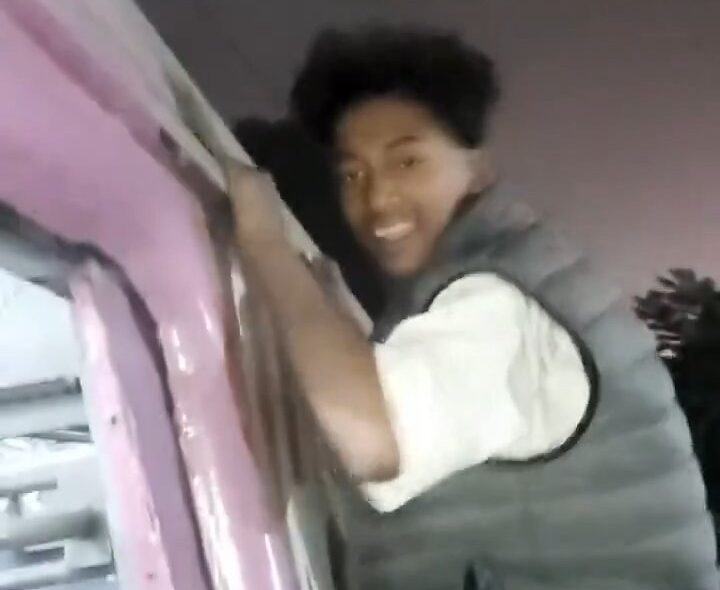
Youths performing dangerous stunts on moving train in Khidirpur caused panic and chaos among commuters in Kolkata, as visuals surfaced showing young individuals hanging, climbing, and risking their lives on a running train. What may have appeared to them as a moment of thrill turned into a deeply disturbing incident that endangered not only their own lives but also the safety of countless innocent passengers and bystanders.
The incident reportedly took place in the Khidirpur area, a busy railway zone where trains pass through densely populated surroundings. According to eyewitnesses, several youths were seen performing stunts on a moving train, ignoring basic safety norms and railway rules. Passengers inside the train were visibly shaken, while people near the tracks expressed fear as the risky behaviour unfolded in broad daylight.
How the Incident Unfolded in Khidirpur
Videos circulating on social media show youths climbing onto the exterior of a moving train, attempting dangerous manoeuvres while the train was in motion. The act immediately drew attention due to the sheer recklessness involved. Any slight slip, sudden jerk, or loss of balance could have resulted in fatal consequences.
Local commuters reported that the youths appeared more focused on recording the stunt than on the danger they were creating. The situation quickly escalated as people nearby began shouting and warning them, fearing a serious accident. The youths performing dangerous stunts on moving train in Khidirpur brought train movement and public order into a state of chaos, even if only temporarily.
Why Such Stunts Are Extremely Dangerous
Railway authorities have repeatedly warned against such behaviour, stressing that trains are not playgrounds and railway premises are among the most accident-prone public spaces. Performing stunts on a moving train exposes individuals to risks such as electrocution from overhead wires, being dragged under wheels, or colliding with poles and structures along the track.
More importantly, such reckless acts do not affect only those performing them. A single mishap could force an emergency halt, injure passengers, or even derail a train under extreme circumstances. Incidents like youths performing dangerous stunts on moving train in Khidirpur highlight how momentary excitement can translate into long-term tragedy.
Social Media and the Dangerous Search for Validation
A growing concern surrounding such incidents is the role of social media. Many dangerous stunts are performed for online attention, likes, and shares. The need for validation often overshadows common sense and personal responsibility.
Experts warn that viral fame achieved through risky behaviour often encourages copycat acts, putting even more lives at risk. When youths performing dangerous stunts on moving train in Khidirpur chose thrill over responsibility, they unknowingly promoted a pattern that has already claimed multiple lives across the country.
Public Reaction and Calls for Accountability
The incident triggered strong reactions from the public, with many expressing anger and concern over the lack of accountability, similar to other United by India crime stories reported from across the country. Commuters demanded strict action, stating that such behaviour should not be treated lightly.
Several residents pointed out that railway areas are shared public spaces, and irresponsible acts threaten everyone’s safety. Many described the Khidirpur incident as a wake-up call for stricter monitoring, better awareness, and firm penalties to deter such actions in the future.
What the Law Says About Train Stunts
According to advisories issued by the Eastern Railway and guidelines from the Railway Protection Force (RPF), performing stunts on moving trains is a punishable offence under Indian law. Offenders can face fines, imprisonment, or both, depending on the severity of the act and the danger caused.
Authorities have repeatedly urged parents and communities to counsel young individuals against such behaviour. Incidents involving youths performing dangerous stunts on moving train in Khidirpur underline the need for collective responsibility—at home, in schools, and within society.
The Larger Issue of Safety on Indian Railways
India’s railway network is one of the largest in the world, carrying millions of passengers daily. Ensuring safety in such a vast system requires cooperation from both authorities and citizens. While railway officials continue to improve surveillance and enforcement, public awareness remains equally critical.
Incidents like this distract authorities from operational responsibilities and strain emergency systems. They also create fear among passengers who rely on trains as a safe and affordable mode of transport.
Learning the Right Lessons From the Khidirpur Incident
What happened in Khidirpur should not be dismissed as a “youthful mistake.” It reflects a deeper issue of recklessness driven by thrill-seeking and online influence. Responsibility must always come before excitement, especially in public spaces where lives intersect.
At United by India, we believe that sharing such incidents is essential not to glorify them, but to highlight the consequences and encourage safer behaviour. Stories like youths performing dangerous stunts on moving train in Khidirpur serve as reminders that a few seconds of thrill can leave permanent scars.
Conclusion
The Khidirpur train stunt incident is a disturbing example of how irresponsible actions can create chaos and fear in public spaces. Youths performing dangerous stunts on moving train in Khidirpur put themselves and others at grave risk, showing why awareness, discipline, and accountability are non-negotiable.
As investigations continue and authorities assess further action, the incident should stand as a strong reminder that public safety is a shared responsibility. No viral moment is worth a life.