




Underwater Bharatanatyam Performance at Rameswaram: When Art, Devotion, and Courage Meet
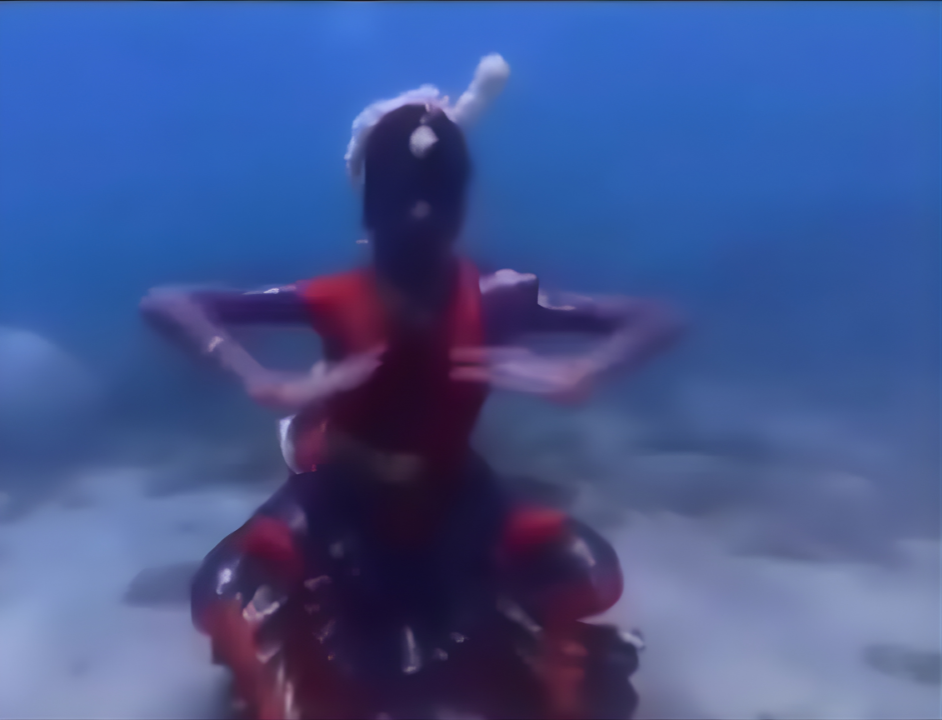
The underwater Bharatanatyam performance at Rameswaram by a young student from Puducherry has left India amazed and deeply inspired. Performing one of the oldest and most disciplined Indian classical dance forms 20 feet underwater, the student achieved something that goes far beyond artistic experimentation — it became a powerful symbol of devotion, perseverance, and cultural pride.
In a world where classical arts often struggle for attention, this extraordinary performance reminded everyone that tradition is not fading — it is evolving, boldly and beautifully.
Bharatanatyam: A Dance of Discipline and Devotion
Bharatanatyam is among the oldest classical dance forms of India, rooted in the ancient temples of Tamil Nadu (source).
It is not merely a performance art; it is a spiritual discipline that demands years of rigorous training, physical control, emotional expression, and complete mental focus. Every movement in Bharatanatyam — from eye expressions to hand gestures (mudras) and footwork — follows precise rules. Even on land, the dance tests endurance and concentration. Performing Bharatanatyam underwater multiplies these challenges many times over.
This is what makes the underwater Bharatanatyam performance so remarkable: it preserved the essence of the dance while pushing the human body to its limits.
Why Rameswaram Adds Deep Spiritual Meaning
Rameswaram is one of the most sacred pilgrimage sites in India and holds immense importance in Hindu tradition. It is closely associated with Lord Shiva and is one of the twelve Jyotirlingas. The surrounding waters are believed to be spiritually purifying, drawing devotees from across the country.
Choosing Rameswaram for an underwater Bharatanatyam performance was not accidental. It transformed the dance into an offering — an act of devotion rather than a display of skill. The setting elevated the performance from a technical achievement to a deeply symbolic spiritual moment.
Art, faith, and geography came together in perfect harmony.
The Physical and Mental Challenge of Dancing Underwater
Performing underwater introduces challenges that most dancers never face. Water resistance slows every movement, making even simple gestures physically demanding. Breathing becomes the greatest limitation, requiring exceptional lung control and mental calm.
For this underwater Bharatanatyam performance, the dancer had to:
- Control breathing with precision
- Maintain balance against water pressure
- Preserve facial expressions despite physical strain
- Execute exact mudras and postures
- Remain calm under intense physical stress
These demands require not just physical fitness but extraordinary mental discipline — something classical dance training naturally builds over time.
Innovation Without Compromising Tradition
One of the most beautiful aspects of this performance is that it did not dilute tradition in the name of innovation. The dancer respected the core grammar of Bharatanatyam while adapting it to an unconventional environment.
This proves an important point:
Indian classical arts are not fragile — they are adaptable.
Innovation, when rooted in respect, does not weaken tradition. Instead, it strengthens relevance and draws new generations closer to ancient art forms.
A Source of Inspiration for Young Artists
The underwater Bharatanatyam performance has already inspired thousands of young dancers and artists across India. It sends a powerful message that:
- Creativity has no boundaries
- Discipline enables innovation
- Tradition can evolve without losing its soul
For students of classical arts, this performance stands as proof that dedication can open unimaginable possibilities.
India’s Cultural Heritage Is Alive and Evolving
India’s cultural legacy survives not only because it is preserved but because it is lived. From temples to stages, from land to water, classical art forms continue to adapt while remaining rooted in their spiritual and cultural foundations.
This underwater Bharatanatyam performance reinforces the idea that Indian culture is dynamic — capable of growth without compromise.
Why This Performance Matters Beyond Virality
While the performance went viral on social media, its true value lies deeper. It encourages conversations about:
- Respect for classical arts
- The importance of discipline in creativity
- Cultural pride in modern times
- Supporting young Indian talent
Moments like these help reconnect society with its artistic roots.
The Role of Dedication and Training
Behind every extraordinary achievement lies years of unseen effort. Bharatanatyam training involves daily practice, physical endurance, emotional discipline, and spiritual grounding. Translating that training into an underwater environment requires courage, patience, and confidence built over time.
This performance was not spontaneous — it was the result of sustained commitment to art.
A Global Message Through Indian Art
In an age where global attention often focuses on western art forms, this underwater Bharatanatyam performance placed Indian classical dance on an international stage. It demonstrated that Indian art forms are not just ancient relics but living traditions capable of global admiration.
Art became a universal language — spoken through movement, devotion, and determination.
Conclusion: When Depth Meets Devotion
The underwater Bharatanatyam performance at Rameswaram is not just a record-breaking act or a viral moment. It is a celebration of India’s cultural strength, artistic courage, and spiritual depth.
A young student from Puducherry showed the world that when dedication meets devotion, even the depths of water can become a sacred stage.
Tradition endured.
Art evolved.
India inspired. 🙏

One thought on “Underwater Bharatanatyam Performance at Rameswaram: When Art, Devotion, and Courage Meet”