


Doctor-Patient Incident at IGMC Shimla Raises Serious Concerns
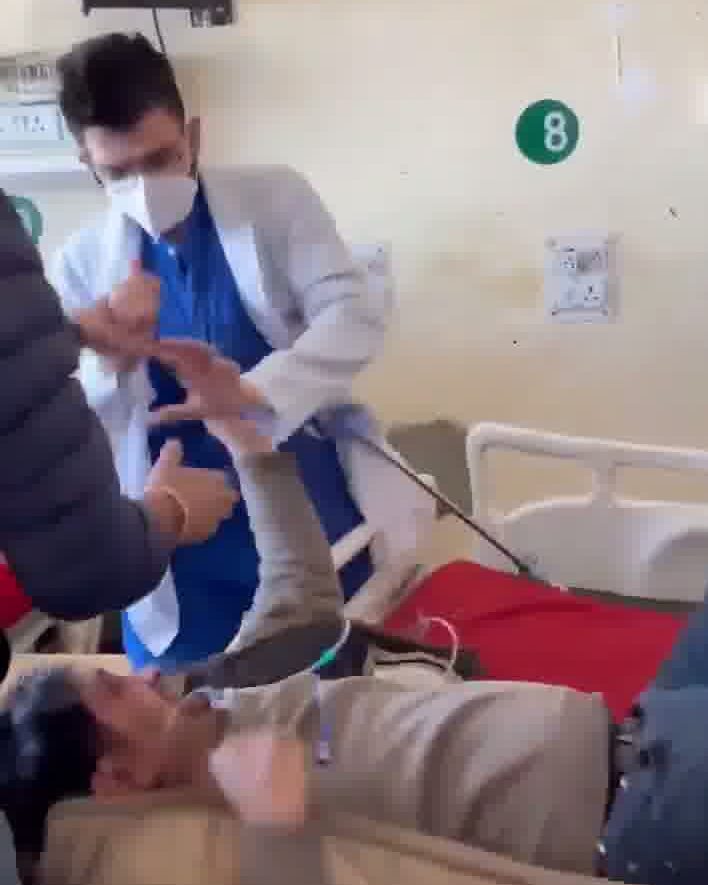
The IGMC Shimla doctor patient incident has triggered widespread concern after a patient alleged that he was physically assaulted by a doctor at Himachal Pradesh’s largest government hospital.
The incident has once again brought attention to the fragile relationship between patients and healthcare professionals in overcrowded public hospitals.
IGMC Shimla Doctor Patient Incident: What Exactly Happened
According to reports, Arjun Panwar, a teacher by profession, was admitted to IGMC Shimla after experiencing breathing difficulties. Hospital authorities stated that the patient had undergone an endoscopy and was resting afterward.
However, the situation reportedly escalated when an argument broke out between the patient and a doctor over communication and behaviour. The IGMC Shimla doctor patient incident highlights growing tensions in public hospitals.
Patient Alleges Assault After Heated Exchange
The patient has claimed that the doctor spoke rudely, which led to a verbal confrontation. According to him, the disagreement escalated, resulting in the doctor allegedly beating him.
Hospital’s Response and Official Clarification
Medical ethics and patient rights are fundamental pillars of healthcare systems worldwide (source).
IGMC Shimla authorities have issued a clarification stating that the patient was under medical observation and that the matter is being examined internally.
Hospital management has assured that:
- The incident is under review
- Statements from all parties are being recorded
- Necessary action will be taken based on findings
However, many have demanded an independent inquiry to ensure transparency.
Growing Tensions in India’s Public Healthcare System
Incidents involving doctor-patient disputes are becoming increasingly common across India. Overburdened hospitals, long waiting times, staff shortages, and communication gaps often lead to frustration on both sides.
While doctors work under immense pressure, patients also expect empathy, dignity, and respectful treatment — especially when they are vulnerable.
Why This Incident Matters
This incident is not just about one hospital or one argument. It raises critical questions:
- Are grievance mechanisms in hospitals effective?
- Is patient dignity being adequately protected?
- Are doctors receiving proper support and training in conflict management?
Healthcare institutions must ensure both doctor safety and patient rights without compromise. Cases like the IGMC Shimla doctor patient incident demand accountability and transparency.
Growing Concerns Over Safety and Conduct in Public Hospitals
Incidents like the IGMC Shimla doctor patient incident are not isolated. Across India, public hospitals are under immense strain due to overcrowding, staff shortages, and rising patient inflow. These pressures often result in communication gaps and heightened emotions, creating an environment where conflicts escalate quickly.
While doctors work under extreme pressure, patients also expect dignity, empathy, and clear communication—especially during moments of medical vulnerability. When these expectations clash, trust breaks down.
This incident underscores the urgent need for structured grievance redressal systems, conflict-management training for medical staff, and better patient-doctor communication protocols. Hospitals must ensure that professionalism is upheld even in high-stress situations.
Conclusion: Accountability Is Essential
The alleged doctor-patient incident at IGMC Shimla serves as a stark reminder that healthcare spaces must remain safe, respectful, and humane for everyone involved.
As authorities investigate the matter, the outcome will set an important precedent — reinforcing that professionalism, empathy, and accountability are non-negotiable in public healthcare.
Hospitals must heal — not harm.
One thought on “Doctor-Patient Incident at IGMC Shimla Raises Serious Concerns”